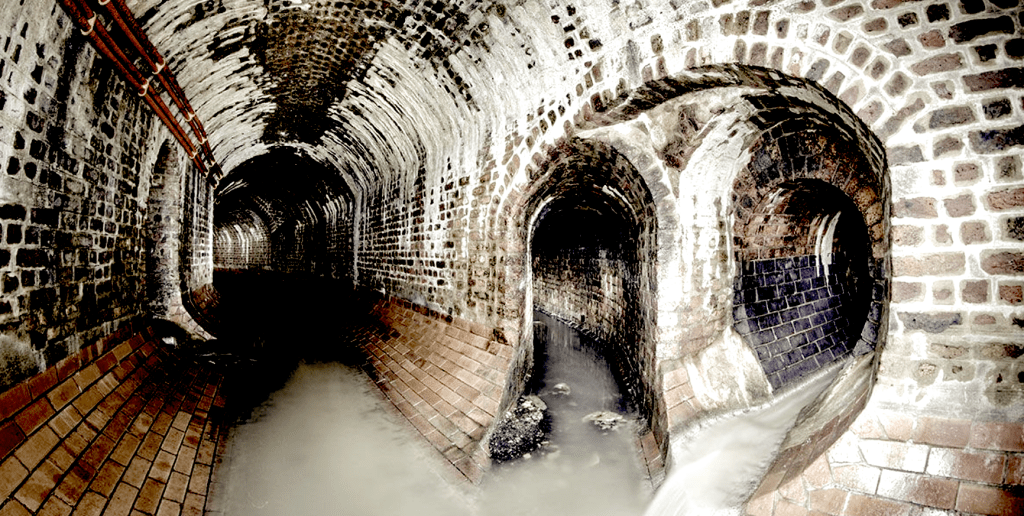
I sometimes joke that there are two kinds of speculative writers: those who don’t care where the poop goes in their world, and those who have worked out the entire water and sewer system.
Neither is really wrong, I’m not going to say you have to create supply chains for every single item that comes up in a story.
But you can. I find that one of the easiest ways to think of new plot points is to do a bit of worldbuilding. Oh, that lady is wearing silk? Huh, I wonder if they have a silk road. Are they allies or enemies with the country the silk comes from, and what about the countries in between?
Or I think, how do they get fresh air on the spaceship? And next thing I know I’m using the algae tank in a crime investigation.
I have a limitless fascination for how other worlds work, down to the little details. Maybe it just works in the most obvious way and there’s no need to mention it, but it’s fun if it’s some interesting way people wouldn’t even think of in our world.
I can’t say I ever wondered, reading the first bunch of Discworld books, where the poop went. It could have been magicked out of the wizards’ pants for all I knew.
But then Pratchett introduced Harry King the night soil man and a whole new vista opened up of the underside of the city: not just the night soil but trash, river flotsam, rags, bones—anything useful one might get from what other people throw away. He makes his fortune by charging for his removal service and then selling a number of products back.
That’s the kind of thing I love to find out about a world. Not just how the kings and princes live, but what it’s like to live there for an average person and what makes it tick under the surface.
In science fiction it’s especially fun, because the usual solutions won’t work in space. You can spend all your worldbuilding time on how the engines work and the chain of command starting from the top, but it can also be fascinating to find out how the lowliest grunt lives and how everyone’s laundry gets done. Who vacuums the miles and miles of carpet on the Enterprise-D? Why is there a trash monster on the Death Star? How long does it take to get mail to Alpha Centauri?
Here are a few more books (and one show) that give us those worldbuilding details and the interesting lives of the people that manage them.
Star Trek: Lower Decks
Yes, it’s a comedy show. But it also shows us a side of Starfleet we don’t usually get to see. Who cleans up the mess after a space battle, and where do they put dangerous alien artifacts? How much work does it take from other people for the senior crew to hop on a shuttle for an adventure?
Redshirts
Basically the same premise, but a book by John Scalzi.
Ethan of Athos
All of Bujold’s books dive deep into the backstory of their settings. There’s a centuries-long history of the neighborhoods of Vorbarr Sultana. But I like this one especially because it deals with the closed loop of an independent space station. My favorite bit is when we go to oxygen processing. There’s algae to purify the air, newts to eat the algae, and then the stationers eat the newts. Efficient!
Discworld
Every single book opens up a new bit of worldbuilding you didn’t know you needed.
The Expanse
Some people like this series for its heart-pounding action. I mostly like the way supply chains, ship functions, and social structures have all been thought through.
Except how the Epstein Drive works. Inquiring minds definitely want to know!
 Sheila Jenne, author